




































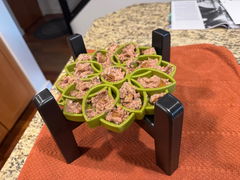
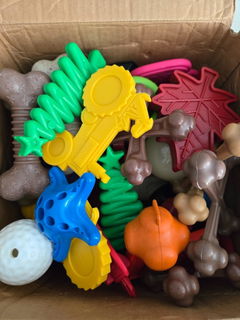
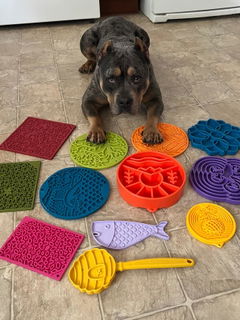
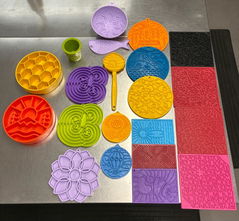
These lick mats were the perfect addition to our event! The wine glass and bottle pattern matched our theme seamlessly and added such a fun, elevated touch. Beyond looking fantastic, they held up wonderfully with various spreads and kept the dogs calm and entertained throughout the gathering. The material feels very durable and cleans up easily. We will definitely be using these for future events!
-
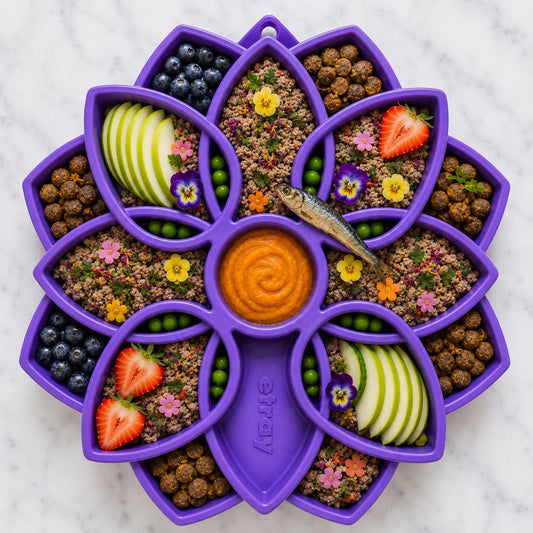
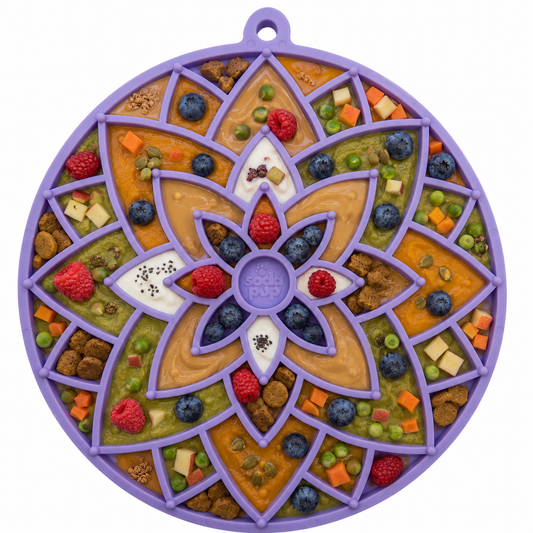
Mandala eTray Shallow Slow Feeder Dog Bowl for Enrichment | USA Made
Regular price $17.99 USDRegular price -
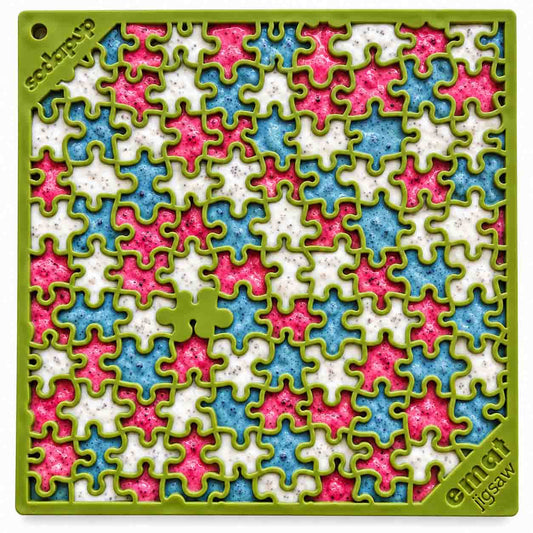
Jigsaw Puzzle eMat - Enrichment Lick Mat for Dogs and Cats | eMat Enrichment Toy for Anxiety Relief | USA Made
Regular price $15.99 USDRegular price -
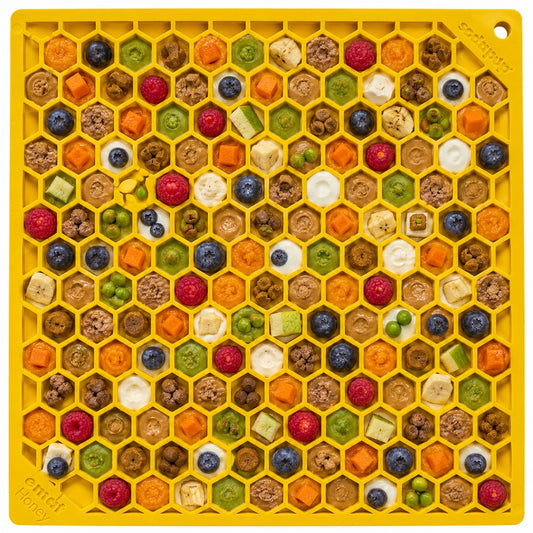
Honeycomb eMat - Enrichment Lick Mat for Dogs and Cats | eMat Enrichment Toy for Anxiety Relief | SodaPup
Regular price From $13.99 USDRegular price -
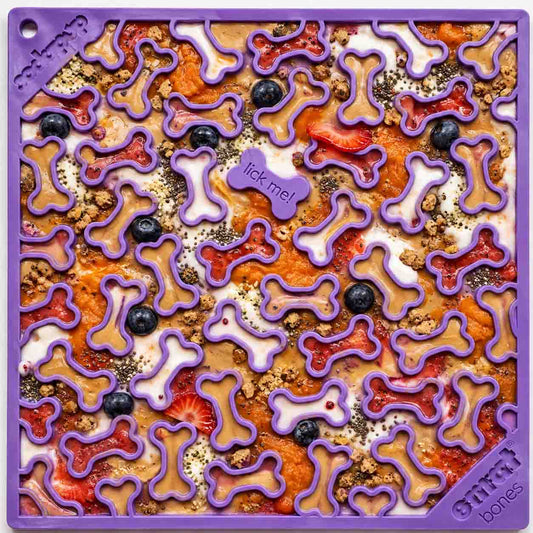
Bones eMat - Enrichment Lick Mat for Dogs and Cats | eMat Enrichment Toy for Anxiety Relief | SodaPup
Regular price $15.99 USDRegular price$15.99 USDSale price $15.99 USD -
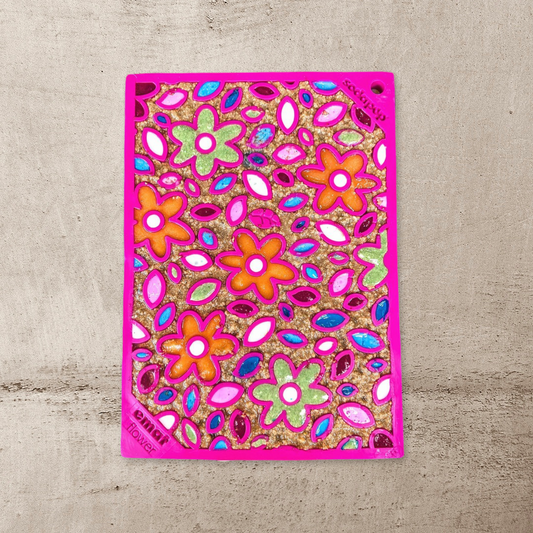
Flower Power emat - Enrichment Lick Mat for Dogs and Cats | Flower Design | USA Made
Regular price From $13.99 USDRegular price -
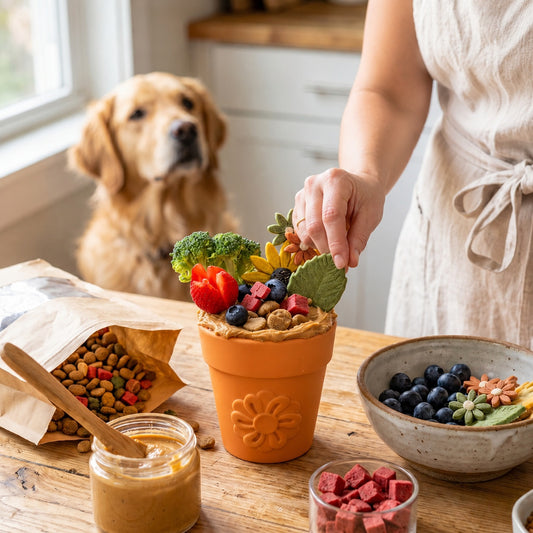
Large Flower Pot eCup Dog Treat Dispenser | Durable USA-Made Enrichment Toy | SodaPup
Regular price $16.99 USDRegular price -
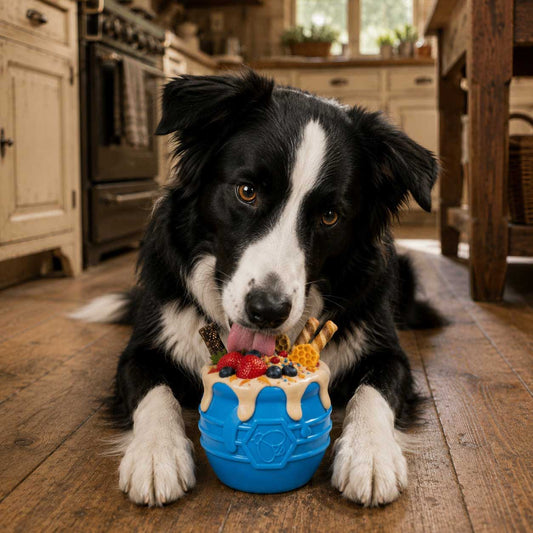
Honey Pot Dog eCup Treat Dispenser | Durable PUP-X Rubber Enrichment Toy | USA Made
Regular price From $16.99 USDRegular price -
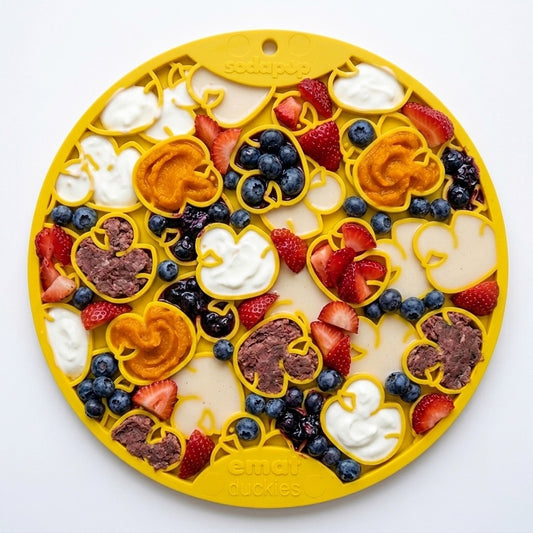
Rubber Duckies emat - Enrichment Lick Mat for Dogs and Cats - with Suction Cups | Bath Time Design | SodaPup USA Made
Regular price $15.99 USDRegular price -
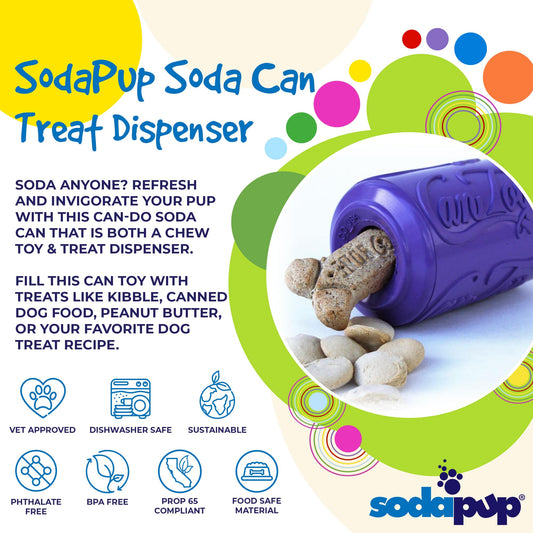
Can Toy Rubber Dog Chew Toy for Average Chewers | Treat Dispenser | USA Made
Regular price From $10.99 USDRegular price -
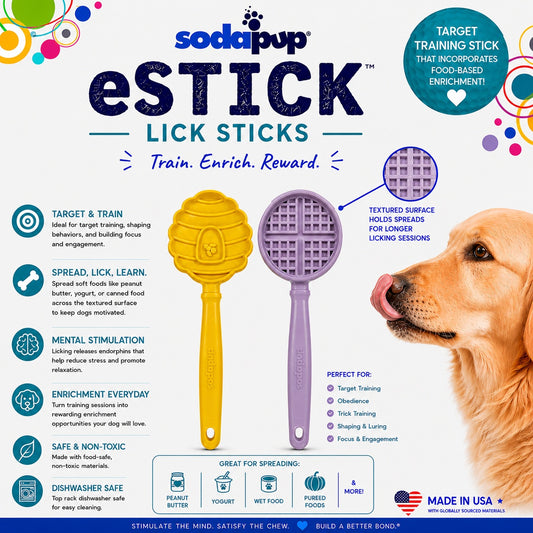
eStick Hand-Held Dog Enrichment Target Training Toy - Interactive Lick Stick | USA Made
Regular price $9.99 USDRegular price -
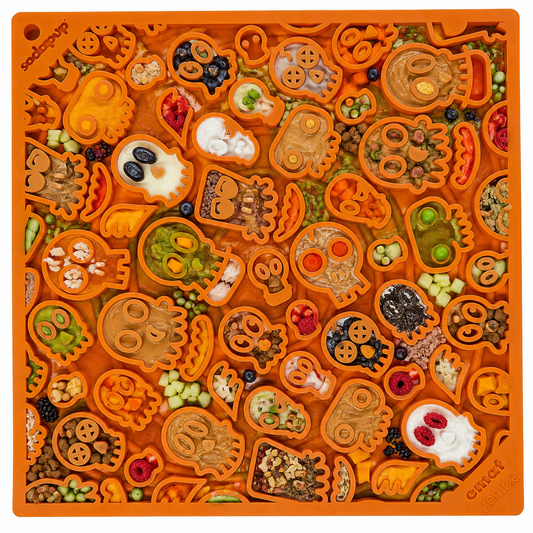
Zombie eMat - Enrichment Lick Mat for Dogs and Cats | Halloween Skull Design | SodaPup
Regular price $15.99 USDRegular price -
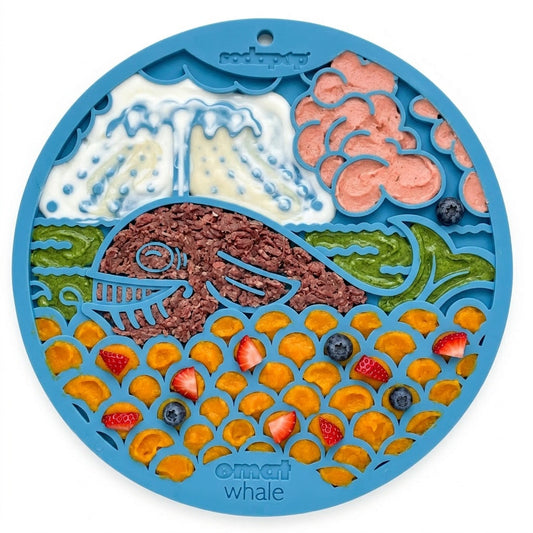
Whale eMat - Enrichment Lick Mat for Dogs and Cats - with Suction Cups | Whale Design | USA Made
Regular price $15.99 USDRegular price -
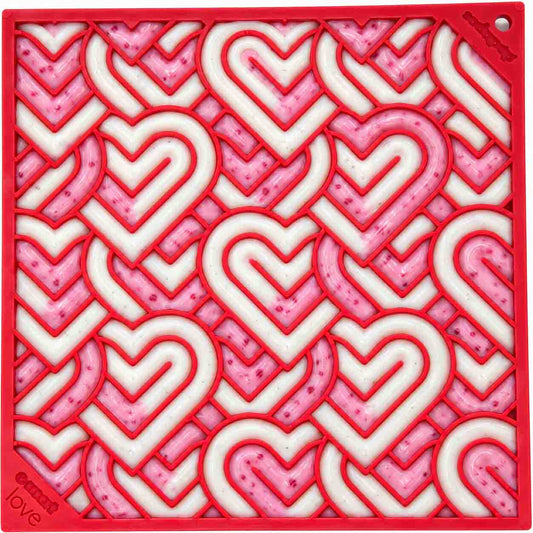
Love eMat - Enrichment Lick Mat for Dogs and Cats| Heart Design | SodaPup
Regular price From $13.99 USDRegular price -
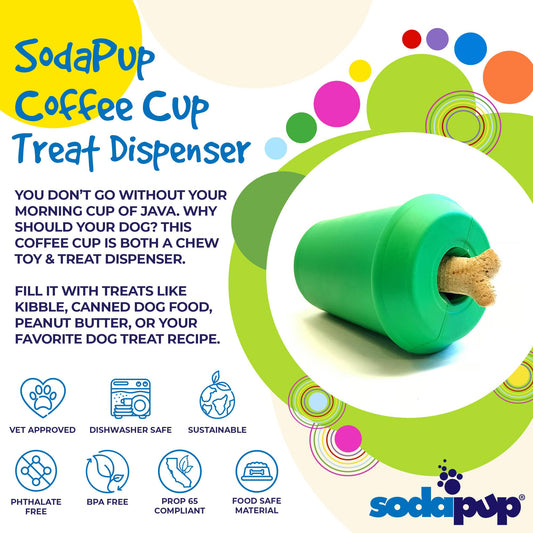
Coffee Cup Rubber Dog Chew Toy for Power Chewers | Treat Dispenser | USA Made
Regular price From $13.99 USDRegular price -
Peanut Nylon Dog Chew Toy | Ultra-Durable for Aggressive Chewers | SodaPup
Regular price $12.99 USDRegular price -
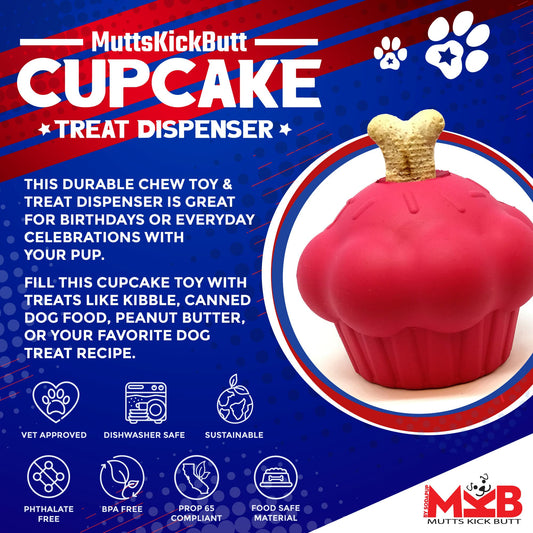
Cupcake eDispenser - Durable Rubber Chew Toy & Treat Dispenser | USA Made
Regular price From $13.99 USDRegular price -
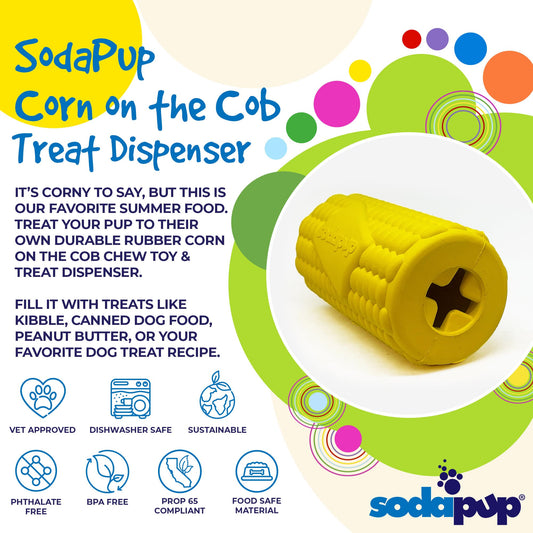
Corn on the Cob Dog Toy - Durable Rubber Treat Dispenser | USA Made
Regular price From $13.99 USDRegular price -
Camp eMat - Enrichment Lick Mat For Dogs and Cats - with Suction Cups | Retro Van Design | USA Made
Regular price $15.99 USDRegular price -
Lotus Design emat - Enrichment Lick Mat For Dogs and Cats - With Suction Cups | USA Made
Regular price $15.99 USDRegular price -
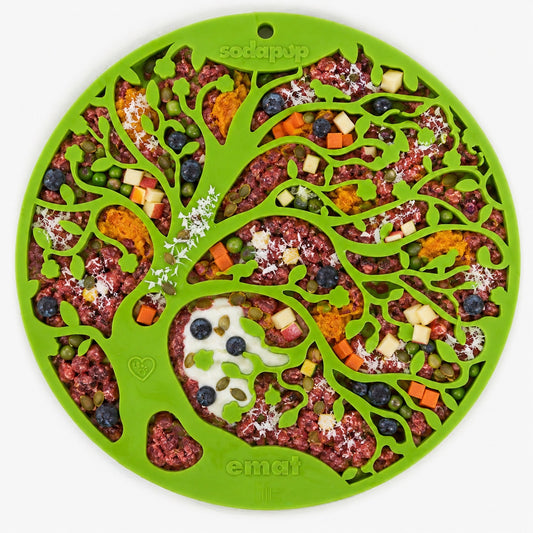
Tree of Life eMat - Enrichment Lick Mat For Dogs and Cats - With Suction Cups | Tree Design | USA Made
Regular price $15.99 USDRegular price -
Butterfly Nylon Chew & Enrichment Toy | 2-in-1 for Aggressive Chewers | SodaPup
Regular price $12.99 USDRegular price -
Corn on the Cob Nylon Dog Toy for Aggressive Chewers | USA Made | SodaPup
Regular price $12.99 USDRegular price -
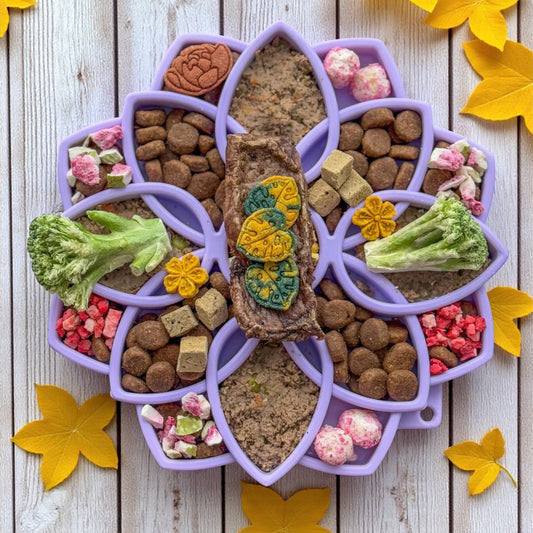
Mandala Softie eTray Shallow Slow Feeder Dog Bowl with Suction Cups | USA Made
Regular price $19.99 USDRegular price -
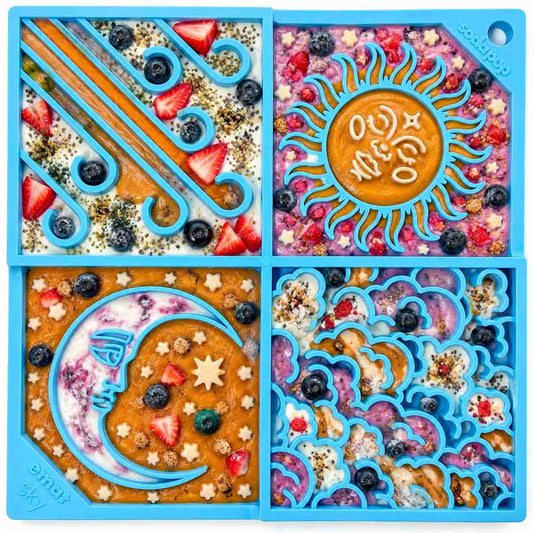
Sky eMat - Enrichment Lick Mat for Dogs and Cats | Celestial Design | SodaPup
Regular price $16.99 USDRegular price$15.99 USDSale price $16.99 USD -
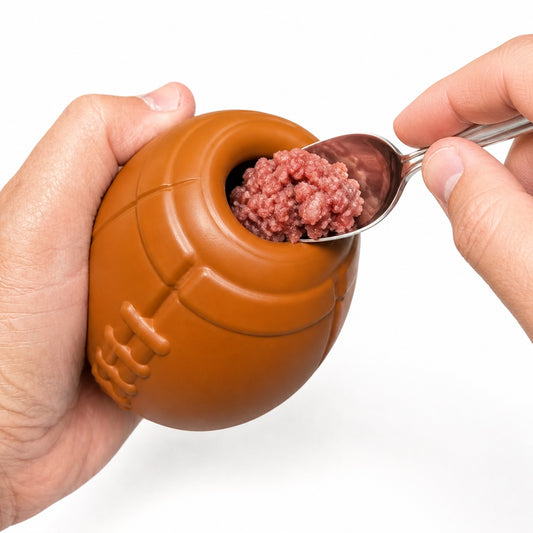
Football Dog Chew Toy & Treat Dispenser - USA Made | SodaPup
Regular price $15.99 USDRegular price -
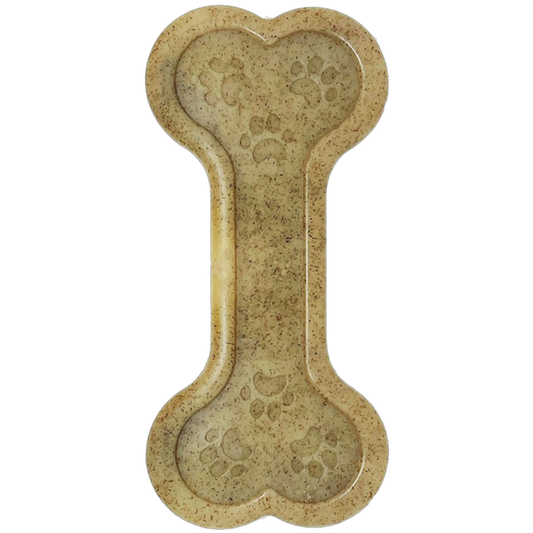
Bone eChew Ultra Durable Nylon Dog Chew Toy for Aggressive Chewers | USA Made
Regular price $12.99 USDRegular price -
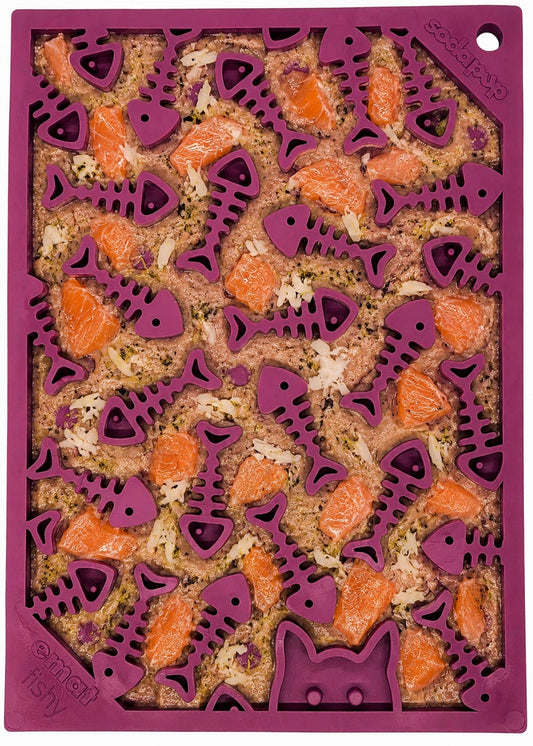
Fishy emat - Small Enrichment Lick Mat for Dogs and Cats | SodaPup
Regular price $13.99 USDRegular price -
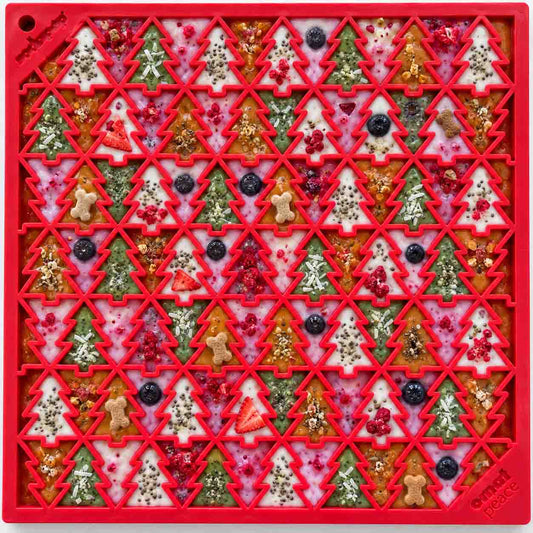
"Peace" Christmas Tree emat - Enrichment Lick Mat for Dogs and Cats | Christmas Tree design | SodaPup
Regular price $15.99 USDRegular price -
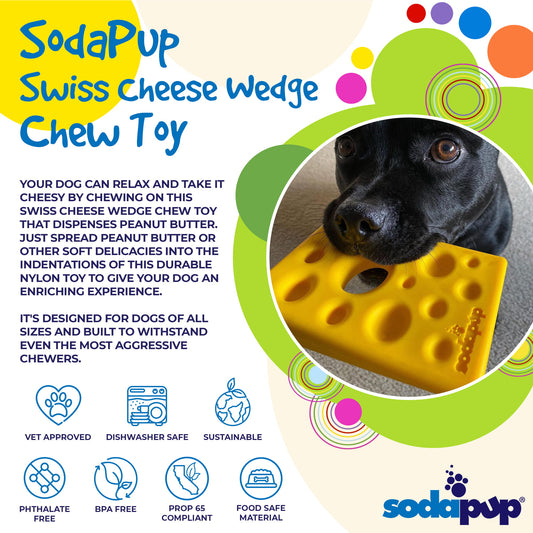
Swiss Cheese Wedge Nylon Dog Chew Toy for Aggressive Chewers | SodaPup
Regular price $13.99 USDRegular price -
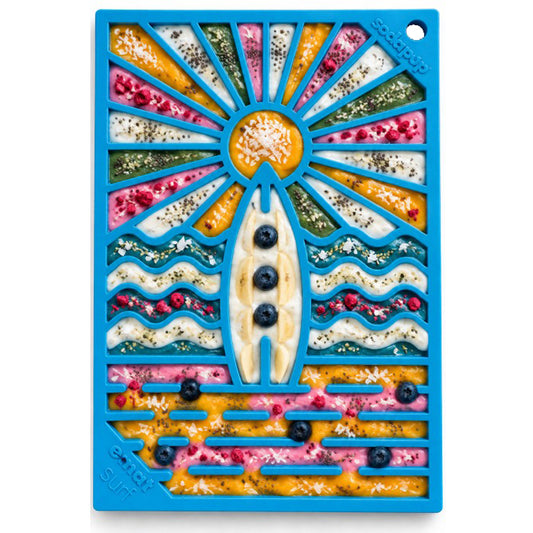
Surf's Up eMat - Small Lickmat for Dogs and Cats | Beach-Themed Design | SodaPup
Regular price $13.99 USDRegular price -
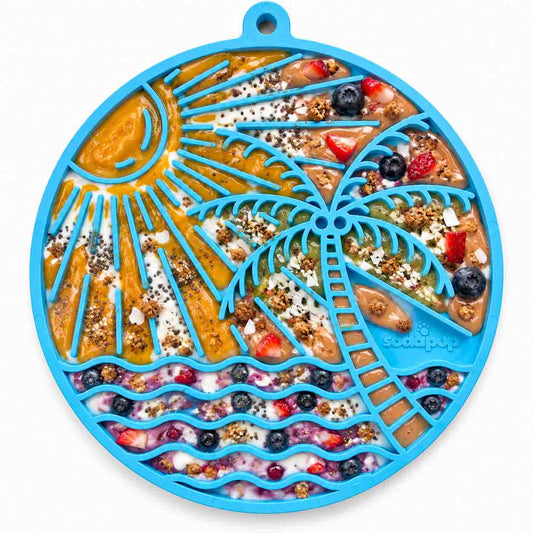
Sun n' Sea eMat - Enrichment Lick Mat For Dogs and Cats - With Suction Cups - Beach Design | USA Made
Regular price $15.99 USDRegular price -
Turtle Nylon Chew Toy - Ultra-Durable Enrichment Toy for Power Chewers USA
Regular price $12.99 USDRegular price -
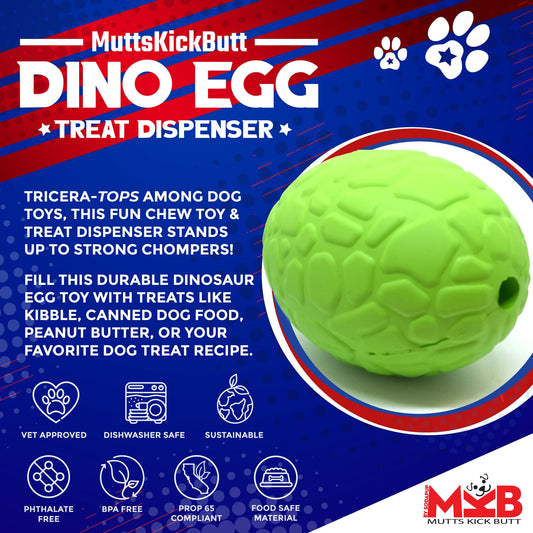
Dinosaur Egg Dog Chew Toy & Treat Dispenser - USA Made | SodaPup
Regular price $15.99 USDRegular price -
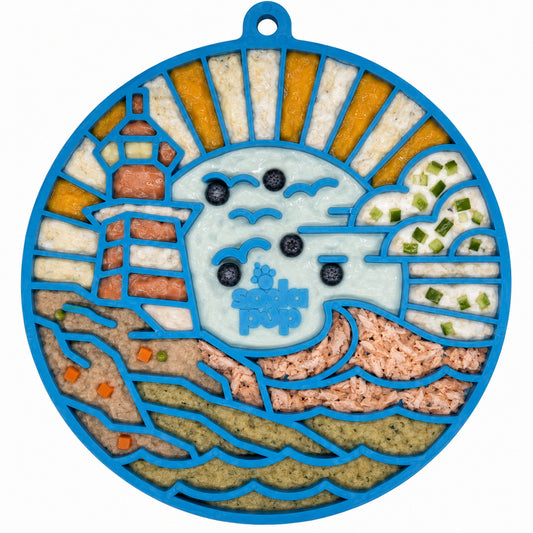
Lighthouse eMat - Enrichment Lick Mat For Dogs and Cats - With Suction Cups | USA Made
Regular price $15.99 USDRegular price -
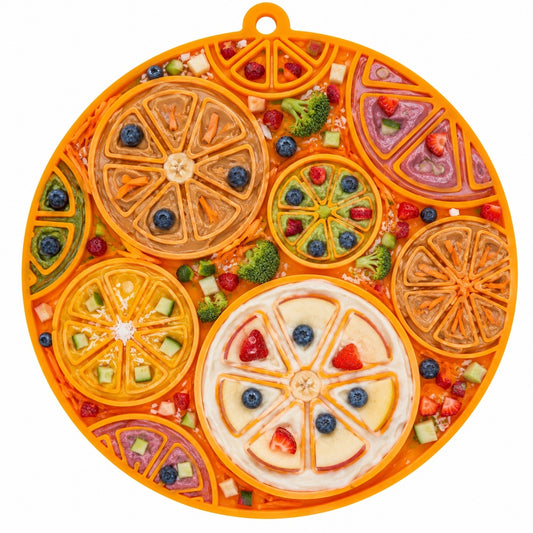
Citrus Design eMat - Enrichment Lick Mat For Dogs and Cats - with Suction Cups | USA Made
Regular price $15.99 USDRegular price -
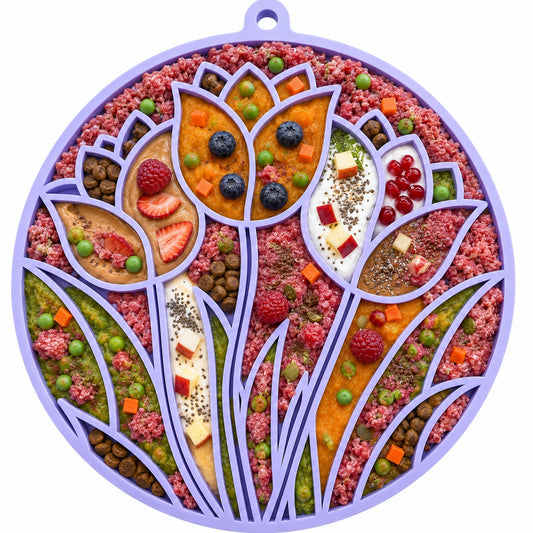
Tulip Design eMat - Enrichment Lick Mat For Dogs and Cats - With Suction Cups | USA Made
Regular price $15.99 USDRegular price
 One of the hardest parts of your dog's post-surgery recovery isn't the surgery itself — it's the weeks of restricted movement that follow. Dogs don't understand crate rest. They don't know why they can't run, jump, or play. What they feel is energy with nowhere to go, and that restlessness can lead to broken stitches, torn sutures, re-injury, and a longer recovery timeline.
This collection is built for exactly that window. Every product here provides calm, stationary mental enrichment — lick mats, stuffable toys, and durable chew enrichment that keep a recovering dog mentally engaged and physically still. No chasing, no bouncing, no roughhousing. Just focused, soothing enrichment that burns mental energy without burning physical energy. All made in the USA from FDA-compliant, non-toxic materials safe for direct food contact.
Why Mental Enrichment Is Critical During Recovery
A mentally stimulated dog is a calm dog. Licking and chewing trigger the release of serotonin and activate the parasympathetic nervous system — the body's rest-and-digest state. For a post-surgery dog, this is exactly the neurochemical environment you want: relaxed muscles, lowered heart rate, reduced stress hormones, and a dog that's content to stay still rather than pacing, whining, or straining to get up.
Enrichment tools also give you a practical way to manage your dog's environment during recovery: a dog focused on a frozen lick mat is a dog that isn't pulling at their stitches, jumping at sounds, or trying to escape their crate or pen.
What This Collection Is For
- Post-surgery crate rest — Dogs on crate rest after orthopedic surgery (TPLO, ACL/CCL repair, hip surgery, spinal procedures) or soft tissue surgery need mental outlets that don't require any physical movement. A frozen stuffed toy or lick mat on the crate floor is the single most effective tool for keeping a crated dog calm and still.
- E-collar (cone) management — Dogs wearing an e-collar are already stressed and disoriented. A flat lick mat placed on the floor is accessible even with a cone on — unlike raised bowls or dispensing toys that require maneuvering the cone. It gives them a calm, accessible activity during one of the most frustrating parts of recovery.
- Incision site protection — A dog absorbed in licking a food puzzle is significantly less likely to lick, chew, or paw at their incision site. Enrichment is one of the most practical tools for protecting surgical sites between e-collar checks.
- Pain and anxiety management — The calming effect of licking is well-documented. For dogs experiencing post-operative discomfort or anxiety, a high-value lick mat can provide genuine relief alongside veterinary pain management protocols.
- Appetite stimulation during recovery — Some dogs lose interest in food after surgery due to medication side effects or stress. Presenting food in an engaging, low-pressure enrichment format — spread on a lick mat, mixed into a stuffable toy — often stimulates appetite more effectively than a plain bowl.
- Long-term rehabilitation and mobility restriction — Dogs recovering from fractures, spinal injuries, or degenerative conditions that require ongoing movement restriction benefit from a daily enrichment routine that provides mental exercise without physical strain.
What's in This Collection
- eMats (Lick Mats) — Flat rubber lick mats that lie on the floor at your dog's level. No reaching, no straining, no awkward positioning. Spread with peanut butter, plain yogurt, wet food, or pureed pumpkin and freeze for 20–40 minutes of calm engagement. Suction-cup versions can be mounted to crate walls or smooth surfaces at nose height. Dishwasher safe for easy cleaning during recovery.
- Stuffable Rubber Treat Dispensers — Hollow rubber toys that can be filled with soft food and frozen. Place on the crate floor for a long-lasting, stationary enrichment session. The dog works the food out by licking and gentle mouthing — no jumping, chasing, or physical exertion required.
- eCups (Stuffable Nylon Enrichment Cups) — Durable nylon cups designed to be loaded with soft food, peanut butter, or wet food. eCups provide a stationary, floor-level enrichment option that keeps a recovering dog occupied without requiring any movement. Safe for supervised use during crate rest and recovery.
- eChews (Nylon Enrichment Chews) — Ultra-durable nylon chew toys that satisfy the chewing drive safely during recovery. For dogs that need to chew as part of their self-soothing routine, eChews provide a long-lasting, stationary outlet that doesn't break down into swallowable pieces. A reliable option for dogs on movement restriction who need more than a lick mat to stay calm and settled.
Veterinarian-Recommended Recovery Tips
Always consult your veterinarian before introducing any enrichment activity during recovery. Most soft enrichment — lick mats, stuffed frozen toys, floor-level feeders — is appropriate for crate-resting dogs, but your vet knows your dog's specific procedure and restrictions.
Freeze everything. Frozen enrichment lasts significantly longer than room-temperature, reduces licking speed, and provides a soothing cold sensation that can help with post-operative swelling and discomfort when used near (not on) the surgical site.
Use high-value foods for high-stress moments. The first few days post-surgery are the hardest. Plain Greek yogurt, peanut butter (no xylitol), pureed pumpkin, and wet food are all palatable, easy to spread, and gentle on a stomach that may be sensitive from anesthesia or medication.
All SodaPup products in this collection are made in the USA, BPA-free, dishwasher safe, and FDA-compliant — so you can use them confidently with food during your dog's recovery.
Frequently Asked Questions
Which Post Surgery products are best for crate rest?
Post Surgery products designed for stationary enrichment include eMats, stuffable rubber treat dispensers, eCups, and eChews. A frozen lick mat or stuffed toy placed on the crate floor can keep a recovering dog mentally engaged without chasing, bouncing, or roughhousing.
Can a dog wearing a cone use a Post Surgery lick mat?
Yes — the flat eMats in the Post Surgery collection sit at floor level and are accessible to dogs wearing an e-collar. Suction-cup versions can also be mounted to a crate wall or another smooth surface at nose height.
Can I freeze the enrichment products in this collection?
Yes — the collection recommends freezing spreadable foods on eMats for 20–40 minutes and freezing soft food inside stuffable toys. Plain yogurt, peanut butter without xylitol, wet food, and pureed pumpkin are listed options for longer, calmer engagement.
How do I choose between an eMat, eCup, and eChew?
Choose an eMat for spreadable food and licking, an eCup for soft food loaded into a stationary nylon enrichment cup, or an eChew for a dog that needs a durable chewing outlet. All are presented as floor-level options for movement-restricted dogs.
Are Post Surgery collection products made with food-contact-safe materials?
Yes — SodaPup products in this collection are made in the USA from FDA-compliant materials for direct food contact. The brand also states that its products are BPA- and phthalate-free and meet Prop 65 standards.
Should I ask my vet before using these products after surgery?
Yes — always consult your veterinarian before introducing enrichment during recovery. Most soft enrichment, including lick mats, stuffed frozen toys, and floor-level feeders, may suit crate rest, but your veterinarian should confirm what fits your dog’s procedure and restrictions.